Whether it is for your dream college, such as IIEBM Pune, or a job, group discussions are important aspects of your interviewing process. These are tools to gauge whether you would do well in a team setting, your communication skills, and how much of a team player you are. While for some group discussions appear easy – it can be difficult for many others. Here is how you can prepare for a group discussion effectively for the best results.
What Is A Group Discussion
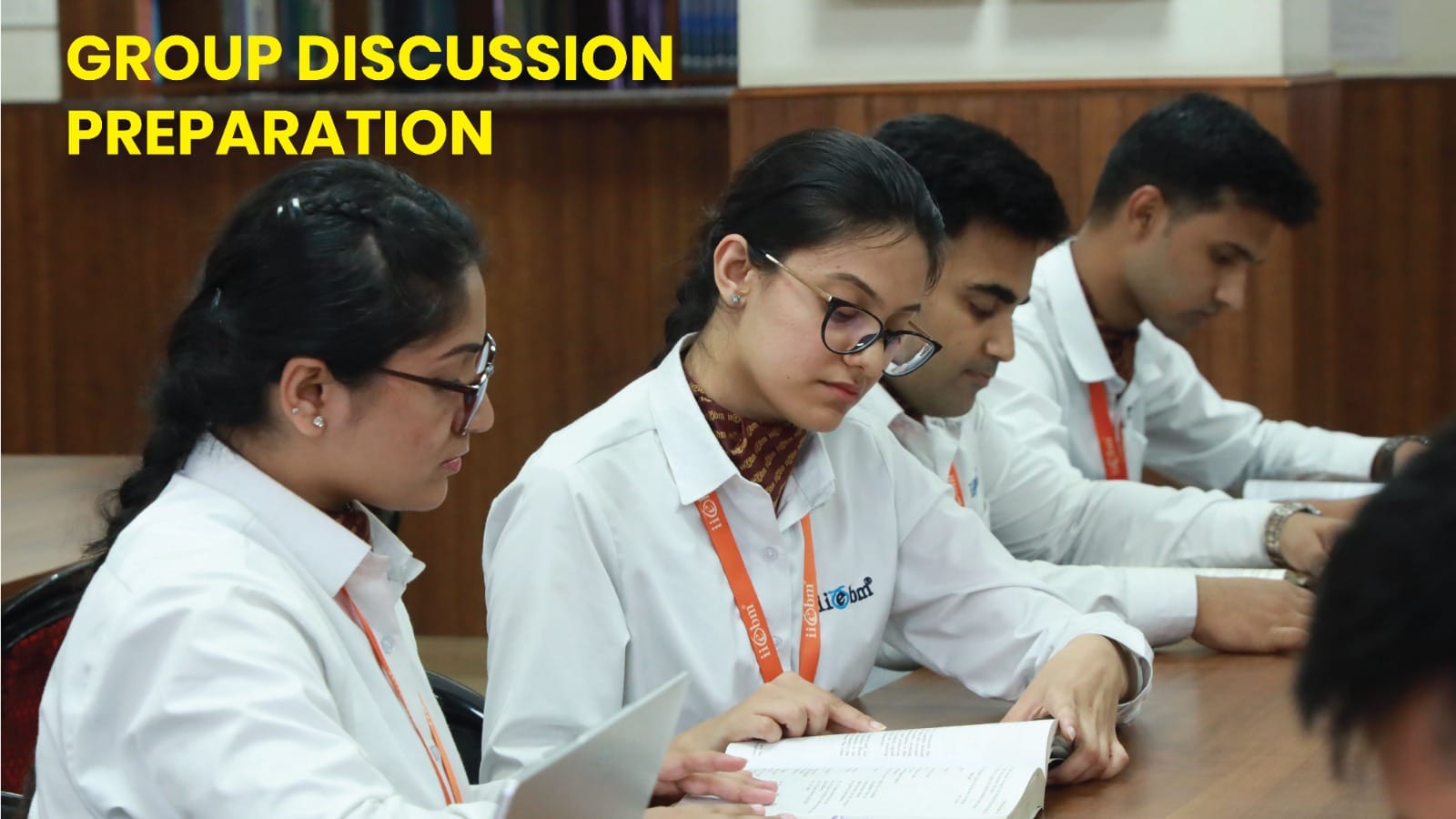
Group discussion (GD) refers to an organized dialogue wherein a group of participants discusses their views and perspectives related to a particular topic in the form of an interaction. It is a common process employed in recruitment interviews as well as in schools such as B-schools of Pune.
There are various forms of GD:
- Factual – Related to current affairs, socio-economic situations in everyday life, and general knowledge.
- Opinion Based – Dealing with opinion more than facts.
- Case Study – Involves a case study wherein the participants have to solve some problem as a group.
- Abstract – Abstract topics that involve logical reasoning.
Usually panelists evaluate the following skills from these group discussions. Communication and listening skills, leadership and initiative, collaboration, and content and clarity.
How To Prepare for A Group Discussion
Be it an application for one of the leading B-Schools in Maharashtra or even for a job interview, group discussion preparation consists of three important factors, which are subject matter knowledge, active listening skills, and proper presentation points. Your success in the group discussion depends completely upon the techniques that you use during the discussion. Here are some useful suggestions on how to prepare yourself:
Pre-Discussion Preparation
Keep Up-To-Date: Reading newspapers helps you stay up-to-date on various topics related to current affairs, economics, socio-political issues, etc.
Analyzing the Issue: In case you are not familiar with the issue, use frameworks such as SWOT, PESTLE, Pros/Cons Analysis, etc.
Practice Mock Sessions: Simulate the group discussion experience with peers, or practice speaking on random topics for a few minutes while recording yourself to monitor body language and tone.
- Entry and Speaking
Initiate if Confident: If you know the topic well, volunteering to start shows leadership and confidence. Introduce the topic precisely, define its scope, and set an agenda for the discussion.
Contribute in Bursts: Make crisp contributions of 30 seconds rather than dominating the conversation. It is better to make a few high-quality points than to speak non-stop or dominate over others in the discussion.
Support with Facts: Strengthen your statements with relevant examples, statistics, or logical reasoning.
- Teamwork and Etiquette
Listen Actively: Pay close attention to others. Use nodding, eye contact, and body language, and build upon the ideas of fellow participants.
Disagree Politely: Never get aggressive or attack someone using personal slurs. Be respectful, even when you do not see eye to eye.
Encourage Others: Invite quieter members to share their opinions, even if the group gets loud and chaotic. In fact, that is the best time to invite others to speak if they haven’t shared their thoughts before.
Conclude Gracefully: Be the first to summarise the key points that have been discussed.
Just follow the guidelines given above and turn yourself into an ace at group discussions in the very first few sessions that you have with your group. Although a group discussion can be a daunting experience for any student to handle initially, it is something which requires proper preparation and practice. However, just keep in mind that being a successful participant in the discussion doesn’t mean shouting the loudest or the maximum – rather, it involves keeping oneself abreast of the issues, listening carefully and then participating confidently. So no matter whether you are targeting a coveted place at one of the top PGDM colleges in Pune or the best job opportunity ever, learning how to participate in a group discussion will help you stand out as someone who can think analytically and collaborate well.